
Yellow Sneaker Soles: Can They Be Restored or Are They Permanent?
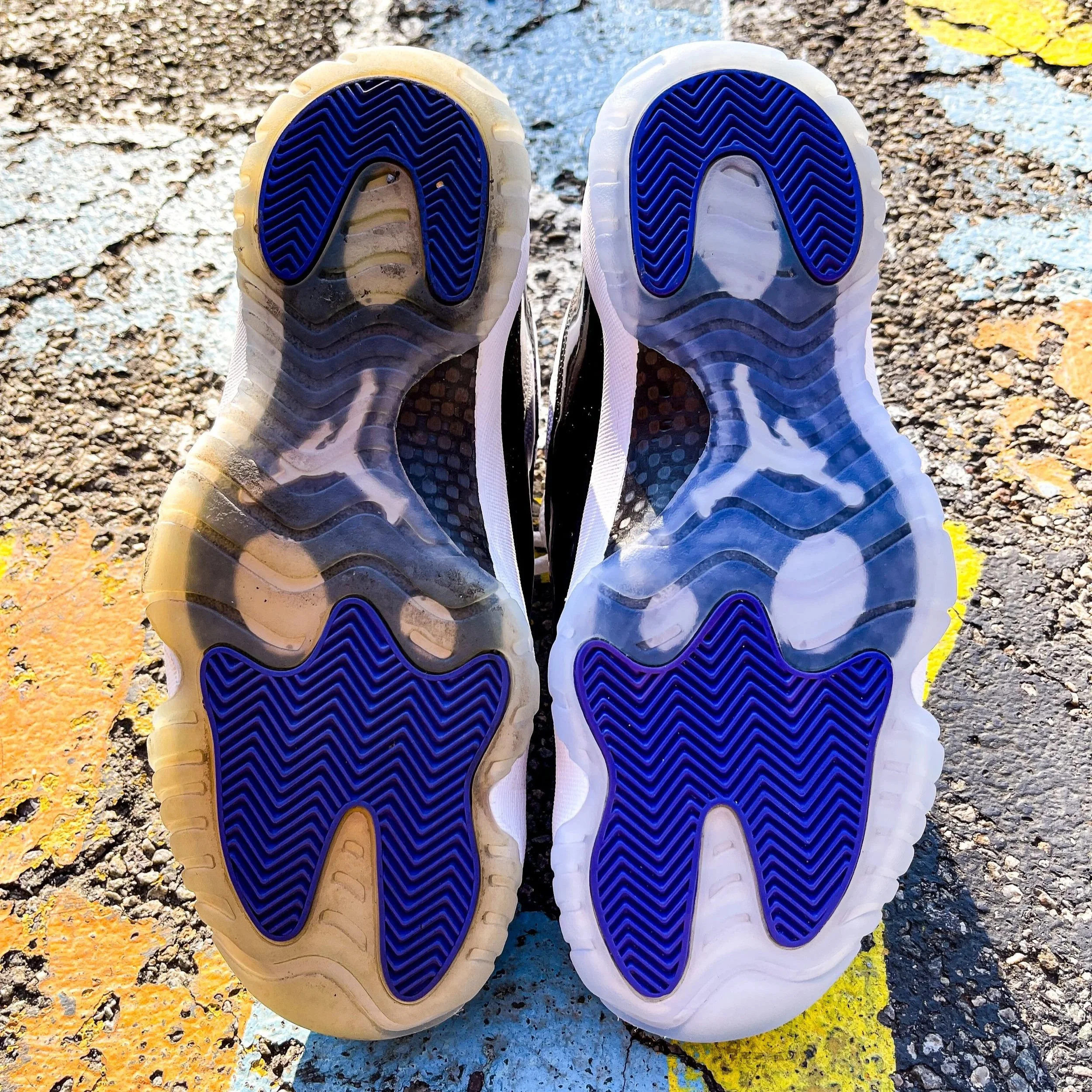
You pull an older pair of sneakers out of the box and everything still looks great—except the soles have turned yellow.
Maybe they are Air Jordan 11s with once-icy outsoles. Maybe a white midsole has developed a cream-colored tint. Or maybe the sneakers have barely been worn at all, yet the soles look years older than the uppers.
The first instinct is usually to clean them.
But yellow sneaker soles are not always dirty.
In many cases, the discoloration is caused by oxidation, a chemical aging process happening within the sole material itself. That distinction matters because ordinary sneaker cleaner, soap, and scrubbing may remove grime, but they cannot simply wash oxidation away.
A professional sole de-yellowing service NYC sneaker owners use for oxidized soles approaches the problem differently. Instead of treating the discoloration like surface dirt, de-yellowing uses a controlled treatment designed to reduce the yellow appearance and bring the sole closer to its original look.
The important word, however, is closer.
Not every yellow sole can—or should—be restored to factory white.
Here is what sneaker owners should know before attempting to de-yellow a pair.
Is It Dirt or Oxidation?
Before treating a yellow sole, the first step is figuring out why it looks yellow in the first place.
Surface Dirt
Dirt, street grime, oils, dust, and residue sit primarily on the surface of the sneaker.
These contaminants can usually be loosened using the appropriate sneaker-cleaning solution, brushes, controlled moisture, and hand-cleaning techniques.
If a white midsole looks beige because it has collected months of NYC street grime, a professional deep cleaning may dramatically improve it without any type of de-yellowing treatment.
Oxidation
Oxidation is different.
Sneaker soles are made from materials such as rubber, polyurethane, EVA, TPU, and other synthetic compounds. Over time, exposure to oxygen, light, heat, and environmental conditions can contribute to chemical changes within those materials.
One visible result can be yellowing.
That is why an older sneaker can develop yellow soles even if the shoe spends most of its life sitting in a box.
If a sole remains yellow after the surface has been thoroughly cleaned, oxidation may be the reason.
And once the discoloration is occurring within the material rather than sitting on top of it, more soap and harder scrubbing are not the answer.
Why Soap Alone Cannot Fix Oxidized Sneaker Soles
One of the biggest mistakes we see in sneaker care is continuing to scrub a sole after the dirt has already been removed.
Think about the difference between cleaning a dirty white T-shirt and trying to reverse the yellowing of an old piece of plastic.
The first is primarily a cleaning problem.
The second involves the material itself changing over time.
Oxidized sneaker soles fall closer to the second category.
A cleaning solution can remove substances sitting on the surface. It cannot simply scrub away a chemical color change that has developed within the sole.
Excessive scrubbing can also create new problems. Depending on the sneaker, aggressive cleaning may dull finishes, wear away painted areas, damage aging rubber, or create uneven-looking sections.
At Weekend Ritual, this is why we separate cleaning from restoration treatments.
The goal is not to use the strongest possible process.
The goal is to identify what the sneaker actually needs.
How a Professional Sole De-Yellowing Service NYC Works
Professional de-yellowing is a multi-step process rather than one aggressive treatment.
Although the exact approach depends on the sneaker and sole material, the process generally includes several important stages.
1. Evaluate the Condition of the Sole
Before treatment begins, the sole should be inspected for more than color.
We look at factors such as:
How severe the yellowing has become
Whether the sole is clear, translucent, white, painted, or colored
The age of the sneaker
Existing cracking or brittleness
Separation around the sole
Painted graphics or details near the treatment area
Previous restoration attempts
This evaluation helps determine whether de-yellowing is appropriate and what level of improvement is realistic.
2. Clean the Sole First
De-yellowing should not be performed over layers of dirt.
The sneaker is first cleaned to remove surface contamination so the remaining discoloration can be properly evaluated.
Sometimes this step reveals that part of what appeared to be oxidation was actually embedded grime.
It also gives the treatment more consistent contact with the areas that actually need attention.
3. Protect Surrounding Materials
This is one of the biggest differences between controlled sneaker restoration and randomly trying a viral DIY method.
De-yellowing treatments should not simply be spread across the entire shoe.
Leather, suede, mesh, painted sections, logos, adhesives, and other materials may react differently to restoration products.
Areas that should not be treated need to be protected before the process begins.
4. Apply a Controlled De-Yellowing Treatment
A professional treatment is applied specifically to the oxidized areas.
The objective is to reduce the compounds responsible for the visible yellow appearance without unnecessarily exposing the rest of the sneaker.
5. Use Controlled UV Exposure
Many de-yellowing processes combine a specialized treatment with ultraviolet light.
At Weekend Ritual, controlled UV exposure allows us to work on the sole in monitored treatment sessions rather than leaving the entire sneaker outside in unpredictable sunlight.
The pair can be checked throughout the process so treatment can be adjusted based on how the material responds.
6. Inspect the Results Before Repeating
Severely oxidized soles may require more than one treatment cycle.
That does not mean continuously treating the sneaker until it becomes perfectly white.
There is a point where chasing an additional few percentage points of improvement may create more risk than benefit.
Professional restoration means knowing when to continue—and when to stop.
Which Sneaker Soles Respond Best to De-Yellowing?
Some soles are better candidates than others.
Clear and “Icy” Soles
Translucent soles are some of the most noticeable when oxidation begins because their original clear or blue-tinted appearance gradually becomes yellow or amber.
Certain Air Jordan models are well known for this.
Moderate oxidation on otherwise healthy translucent soles can often show a noticeable cosmetic improvement after controlled treatment.
White Rubber Sections
Some white rubber sole components can also respond well when the discoloration is genuinely oxidation rather than staining or material damage.
The specific rubber compound and age of the shoe will influence the results.
Lightly to Moderately Oxidized Soles
As with most restoration work, earlier intervention generally provides more options than waiting until the material is extremely aged.
A sole with moderate yellowing and good structural integrity is usually a better candidate than a severely oxidized sole that has also become brittle, cracked, or separated.
When De-Yellowing May Not Be the Right Solution
Not every yellow sneaker needs—or can tolerate—a de-yellowing treatment.
Several situations require additional caution.
Painted Midsoles
If the yellow appearance is actually discoloration or deterioration of painted material, chemical de-yellowing may not be the proper solution.
Repainting or another restoration method may be needed instead.
Severe Material Deterioration
Color is only cosmetic.
If an older sole is cracking, crumbling, separating, or becoming structurally unstable, making it whiter does not repair those problems.
A sneaker can look better while still having an aging sole underneath.
Uneven Previous DIY Treatments
Sneakers that have already gone through multiple aggressive home treatments may respond unpredictably.
Some sections may have already been overexposed while others remain heavily oxidized.
Deep or Permanent Discoloration
There are situations where the material has aged to the point that only limited cosmetic improvement is realistic.
A responsible sneaker-care professional should tell you that before treatment rather than promising a perfect result.
Can Yellow Sneaker Soles Be Restored to Factory White?
Sometimes the improvement can be dramatic.
But factory white should never be guaranteed.
Every sneaker ages differently.
Two identical pairs manufactured during the same year can respond differently depending on how they were worn, stored, exposed to heat or sunlight, and treated throughout their lives.
Our goal at Weekend Ritual is improvement, not unrealistic promises.
A sole that begins treatment heavily yellowed may finish significantly brighter without becoming identical to a brand-new sole.
That can still make a major difference in the overall appearance of the sneaker.
Is Sneaker De-Yellowing Permanent?
Usually, no.
Even after successful treatment, the materials in the sneaker continue to age.
Oxidation can gradually return over time.
Think of de-yellowing as restoring the appearance of an aging material rather than permanently stopping the aging process.
How quickly yellowing returns depends on the material and how the sneaker is stored and worn.
Keeping sneakers away from excessive heat and prolonged direct sunlight can help slow future discoloration, but no storage method can completely stop materials from aging.
What Are the Risks of DIY Sole De-Yellowing?
There are countless sneaker de-yellowing tutorials online, and some people get good results at home.
The problem is that the same technique does not behave identically on every shoe.
Potential problems include:
Uneven whitening
Bleaching surrounding materials
Damage to painted sections
Discoloration of the upper
Product getting into seams or adhesives
Over-treating already aged materials
Creating noticeably different shades across the sole
Older and valuable sneakers deserve additional caution because there may be very little room for error.
The goal should never be to make a treatment as strong as possible.
It should be to use the least aggressive process necessary to achieve a meaningful improvement.
Cleaning vs. De-Yellowing: Which Does Your Pair Need?
A simple way to think about it is:
If the discoloration is sitting on the sole, cleaning may remove it.
If the sole material itself has changed color, de-yellowing may be necessary.
And sometimes a sneaker needs both.
At Weekend Ritual, we clean the sneaker first and evaluate what remains rather than automatically assuming every off-white sole needs restoration.
That approach helps prevent unnecessary treatments and gives customers a more realistic understanding of what their pair actually needs.
Professional Sole De-Yellowing in NYC
Yellow soles do not automatically mean your sneakers are finished.
For the right pair, controlled de-yellowing can make an aging sneaker look dramatically fresher and bring clear or white sole components much closer to their original appearance.
But restoration begins with understanding the material—not simply applying chemicals and hoping for the best.
Weekend Ritual specializes in detailed sneaker care for customers throughout New York City, including Manhattan, Brooklyn, and Queens. Each pair is evaluated individually so we can determine whether cleaning, de-yellowing, or another sneaker restoration service makes the most sense.
Because sometimes your sneakers do not need to be replaced.
They just need a second chance.
Ready to see what can be restored?
Book your Weekend Ritual sneaker service and let us evaluate your pair.
Live your life. We’ll clean your kicks.
Frequently Asked Questions About Yellow Sneaker Soles
Can yellow sneaker soles really become clear again?
Oxidized translucent soles can often become noticeably clearer through professional de-yellowing, but results depend on the age, material, and severity of oxidation. Completely restoring every sole to its original factory appearance cannot be guaranteed.
Why did my sneaker soles turn yellow even though I never wore them?
Wear is not required for oxidation to occur. Sneaker materials continue aging while stored, and exposure to oxygen, light, heat, and time can gradually change their appearance.
Will professional sneaker cleaning remove yellow soles?
Cleaning can remove dirt and surface staining. If the yellow color is caused by oxidation within the sole material, a separate de-yellowing treatment may be necessary.
How many de-yellowing treatments does a sneaker need?
It varies. Some soles respond noticeably after one treatment cycle, while more advanced oxidation may require multiple controlled sessions. The condition of the material should determine how aggressively the process is continued.
Can old Jordans with yellow icy soles be restored?
Many Jordan models with translucent or icy soles can be candidates for de-yellowing. The age and structural condition of the sole still need to be evaluated before treatment.
Does de-yellowing damage sneakers?
Any restoration process carries some risk, especially on older sneakers. Proper material evaluation, protection of surrounding areas, controlled treatment, and monitored UV exposure help reduce those risks.